

Integrated Packaging Automation for Plant-Based & Specialty Milk

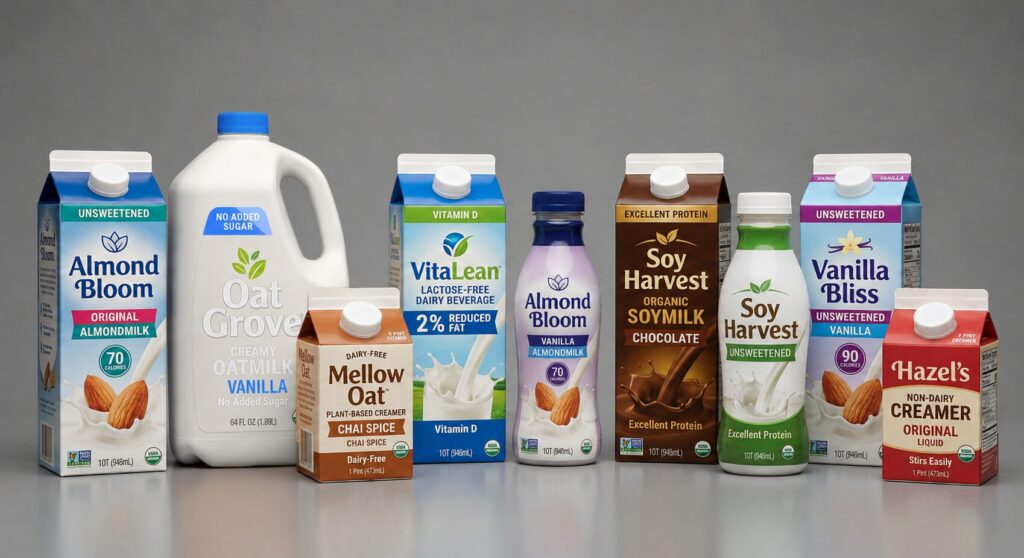
Plant-based and specialty milk packaging lines must meet the same sanitary, high-performance standards as traditional dairy lines, while also managing differences in product flow, container handling, and changeover frequency.

Integrated Packaging Automation for Plant-Based & Specialty Milk

Plant-based and specialty milk packaging lines must meet the same sanitary, high-performance standards as traditional dairy lines, while also managing differences in product flow, container handling, and changeover frequency.

Overcoming Plant-Based & Specialty Milk Packaging Line Challenges

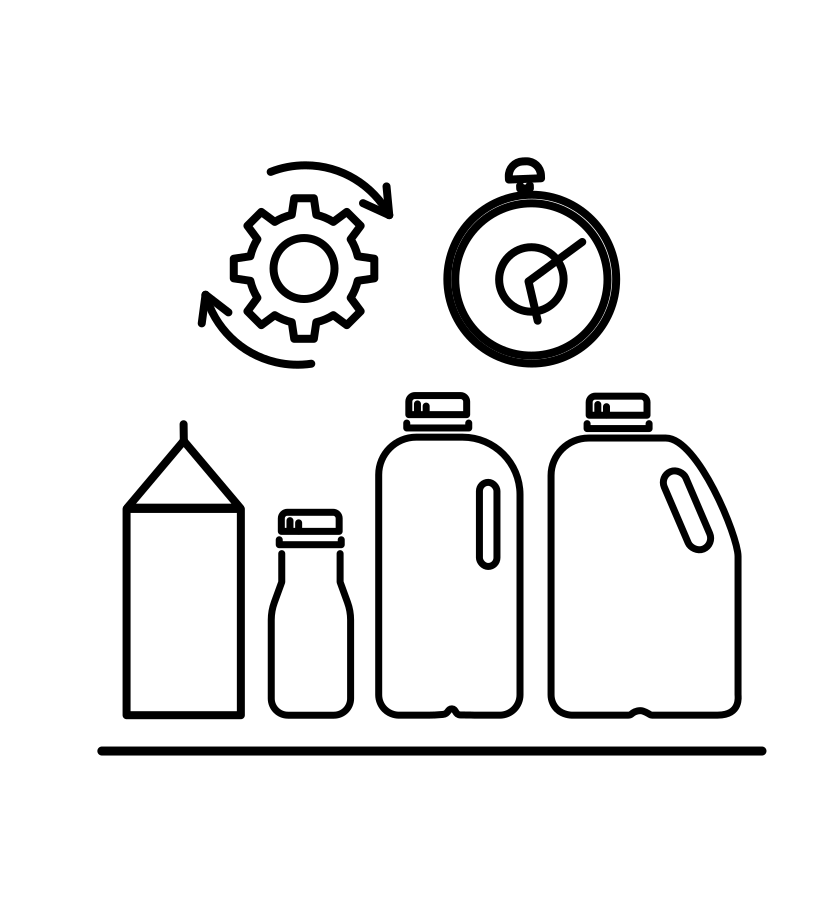
Plant-based and specialty milk packaging lines operate within the same sanitary and performance constraints as traditional dairy, but with added variation in how products behave and how packages move through the line. Differences in product flow, container formats, and handling conditions influence accumulation, transfers, and downstream coordination. IPM engineers systems that account for these factors to maintain flow, protect product integrity, and support reliable performance across formats.

CHALLENGE
THE IPM SOLUTION

Product Handling Variability

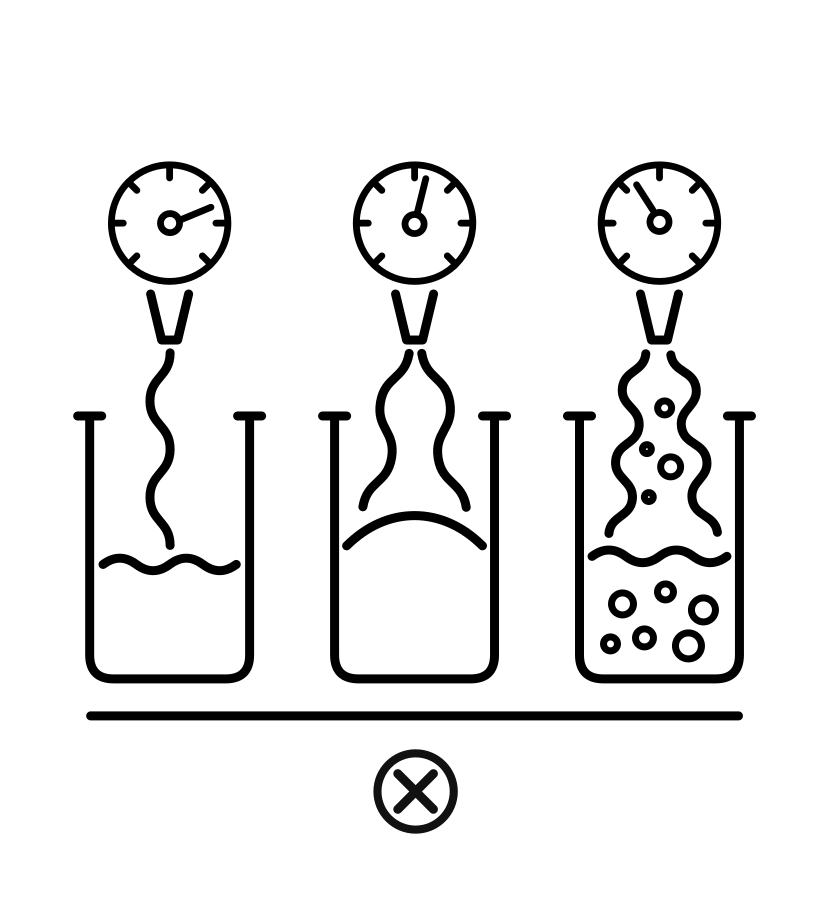
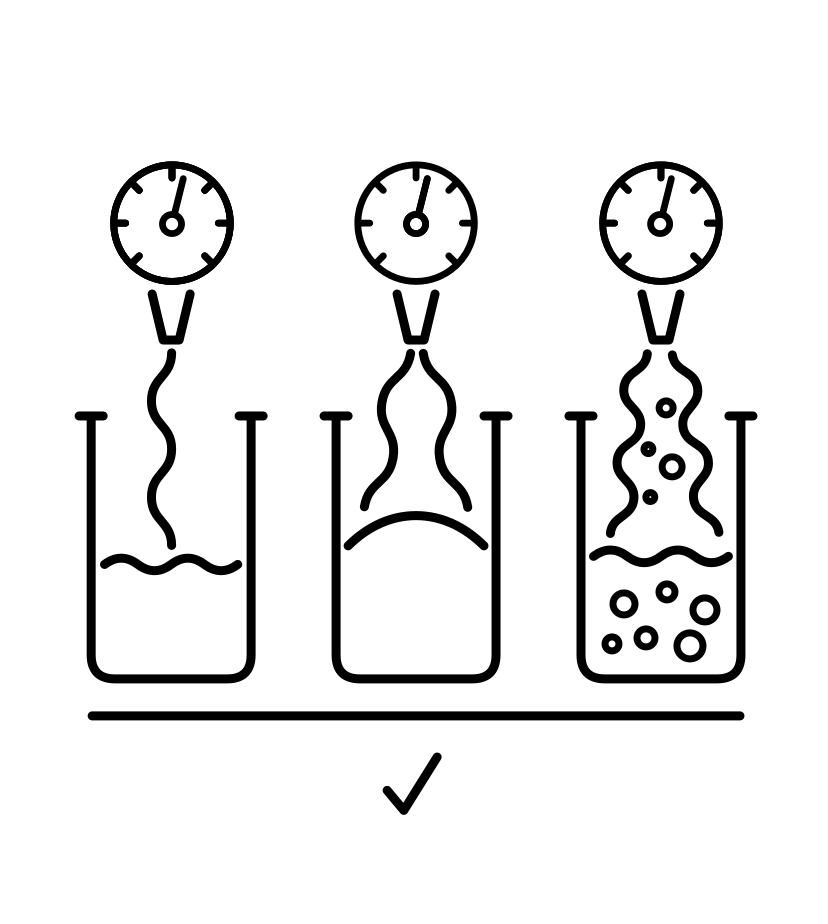
Plant-based products vary in viscosity, particulates, and formulation, which can affect how they move through filling, transfers, and downstream handling at higher speeds.

Flow-Stabilized Product Handling

Conveyance, transfers, and downstream handling are designed around product behavior to support consistent flow across varying product conditions.

Container Handling and Stability

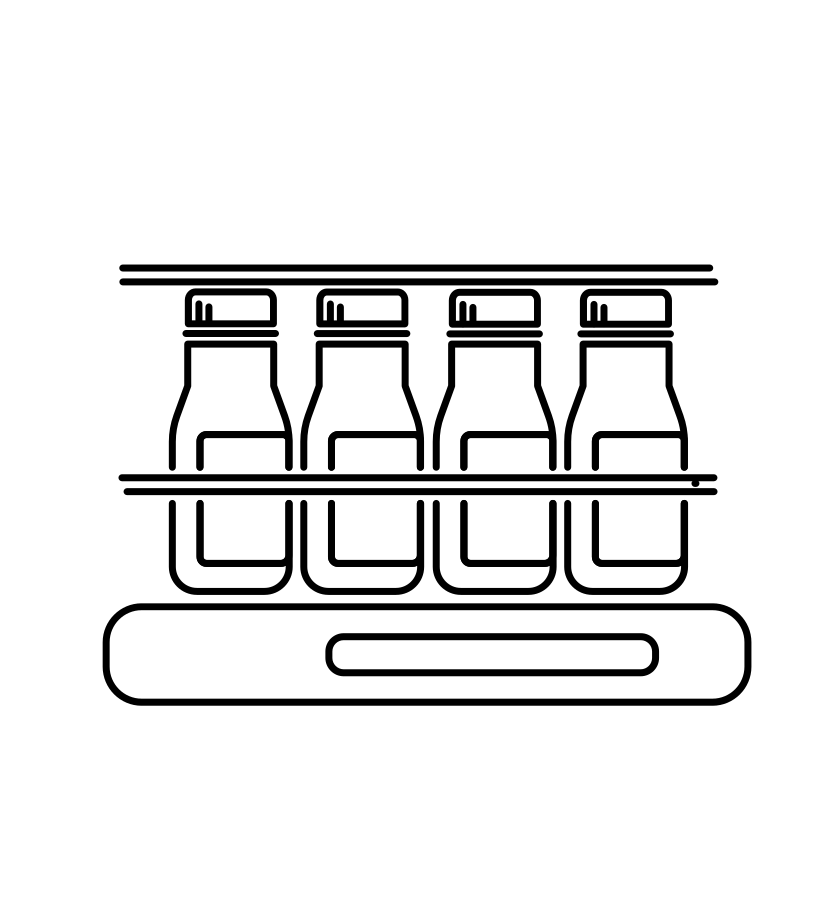
Cartons, bottles, and specialty containers introduce differences in shape, rigidity, and handling characteristics, increasing the risk of instability at higher speeds.

Stability-Controlled Conveyance

Conveyance and transfer points are engineered to maintain container stability across multiple formats and line speeds.

Frequent Changeovers Across Products and Formats

Running multiple product types, sizes, and formats on a single line increases changeover demands and can disrupt line efficiency and consistency.

Changeover-Optimized System Design

Line design and controls are configured to streamline transitions between products and formats, supporting consistent performance across runs.

Carton Merging and Back Pressure

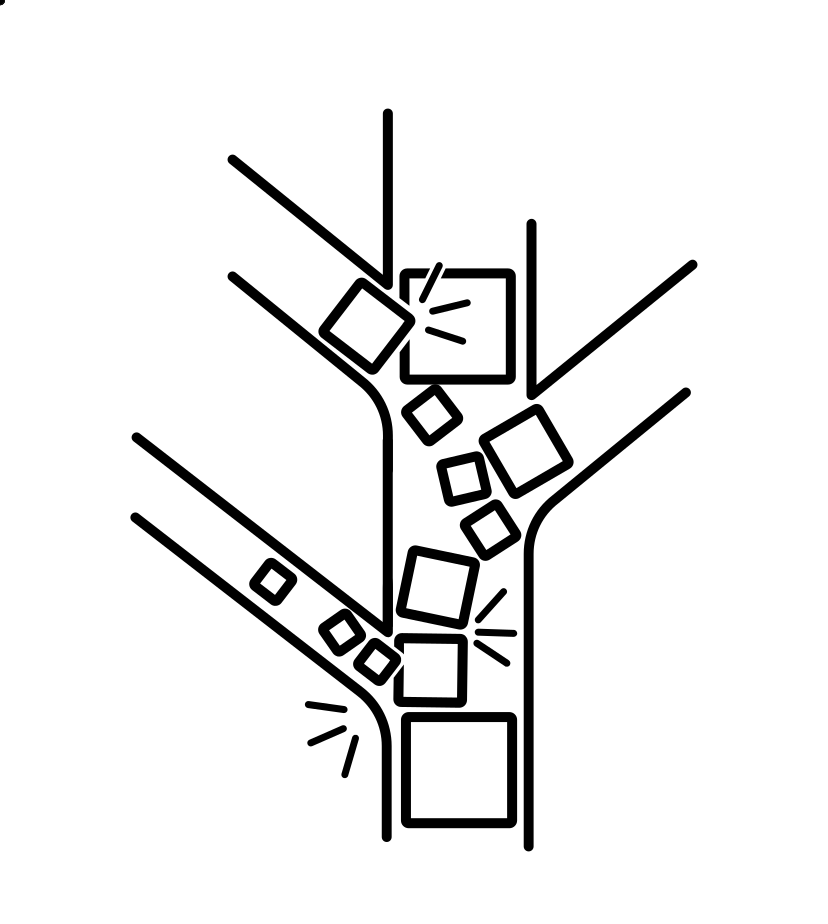
Plant-based milk cartons exiting fillers can be vulnerable to instability or package damage when merged using conventional slug or break merges.

Continuous Merge Systems

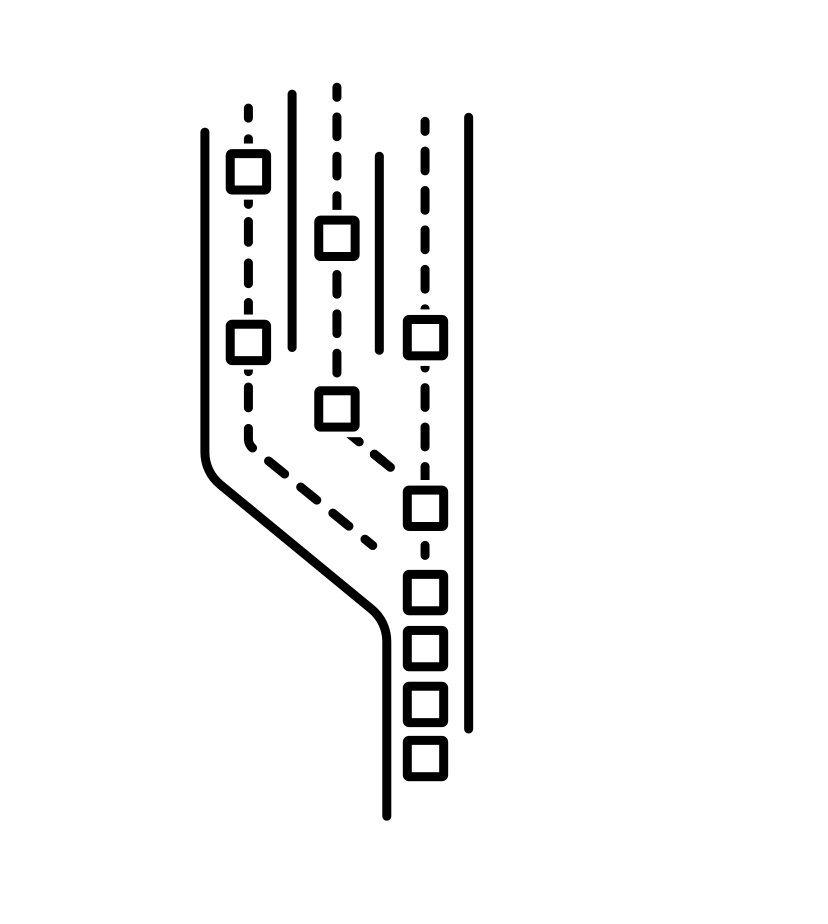
Merge designs maintain motion through the merge point, reducing back pressure and protecting package integrity.

Labeling and Coding Conditions

Variations in container materials and surface conditions, including moisture and temperature-related effects, can impact label adhesion and coding reliability during downstream operation.

Application Aligned to Container Conditions

Labeling and coding are applied using settings matched to container materials and surface conditions to support consistent performance across formats.

Product Handling Variability

Plant-based products vary in viscosity, particulates, and formulation, which can affect how they move through filling, transfers, and downstream handling at higher speeds.

Conveyance, transfers, and downstream handling are designed around product behavior to support consistent flow across varying product conditions.

Container Handling and Stability

Cartons, bottles, and specialty containers introduce differences in shape, rigidity, and handling characteristics, increasing the risk of instability at higher speeds.

Handling systems are engineered to maintain container stability across multiple formats and line speeds.

Frequent Changeovers Across Products and Formats

Running multiple product types, sizes, and formats on a single line increases changeover demands and can disrupt line efficiency and consistency.

Line design and controls are configured to streamline transitions between products and formats, supporting consistent performance across runs.

Carton Merging and Back Pressure

Plant-based milk cartons exiting fillers can be vulnerable to instability or package damage when merged using conventional slug or break merges.

Merge design maintains motion through the merge point, reducing back pressure and protecting package integrity.

Labeling and Coding Conditions

Variations in container materials and surface conditions can affect label adhesion and coding reliability during downstream operation.

Labeling and coding are applied using settings matched to container materials and surface conditions to support consistent performance across formats.

IPM in Action: Block Cheese Line

A cheese producer needed to merge two lines while protecting deformable 40 lb blocks and meeting strict weighing, labeling, and palletizing requirements within a tight footprint. IPM engineered a unified system with gentle handling, accurate manifest tracking, heavy-payload robotic palletizing, and automated labeling

Engineer Performance into Every Line

The System Behind Line Performance

OEM-Neutral Integration

Downstream equipment is selected and coordinated based on system requirements, ensuring each machine center supports stable line performance.

V-Curve System Design

Performance targets are defined first and validated against how the full downstream system performs under operating conditions.

Performance Guarantee

Defined scope, disciplined execution, and structured startup testing align delivered performance with agreed requirements.

EQUIPS Training

Customized training builds operator and maintenance competency to support consistent operation and effective troubleshooting.

Trends Shaping Plant-Based & Specialty Milk Packaging

Demand for plant-based and specialty milk products is driving rapid expansion in SKUs, formats, and formulations. This growth is increasing complexity on packaging lines and placing greater pressure on throughput, changeovers, and overall system performance. IPM designs integrated automation systems that maintain performance while adapting to evolving product and format demands.

Alex Karr

Sales Engineer, IPM

Engineer Performance into Your Packaging Line

Partner with IPM to assess your plant-based or specialty milk packaging line and identify system-level improvements to performance, predictability, and consistency.

Plant-Based & Specialty Milk Packaging FAQs

What types of plant-based and specialty milk packaging lines does IPM support?

IPM designs downstream packaging systems for plant-based and specialty milk products packaged in bottles, cartons, and multi-format configurations. Systems include conveyance, accumulation, case packing, palletizing, and controls integration after the filler.

What makes plant-based packaging different from traditional dairy packaging downstream?

Plant-based packaging introduces greater variability in product flow characteristics, container formats, and changeover frequency. Systems must be designed to manage these variables while maintaining consistent performance and product integrity.

Can IPM integrate automation into existing plant-based packaging lines?

Yes. IPM integrates downstream automation into existing plant-based and specialty milk lines, including upgrades to conveyance, accumulation, labeling coordination, case packing, palletizing, and controls to improve overall system performance.

Scroll to Top