

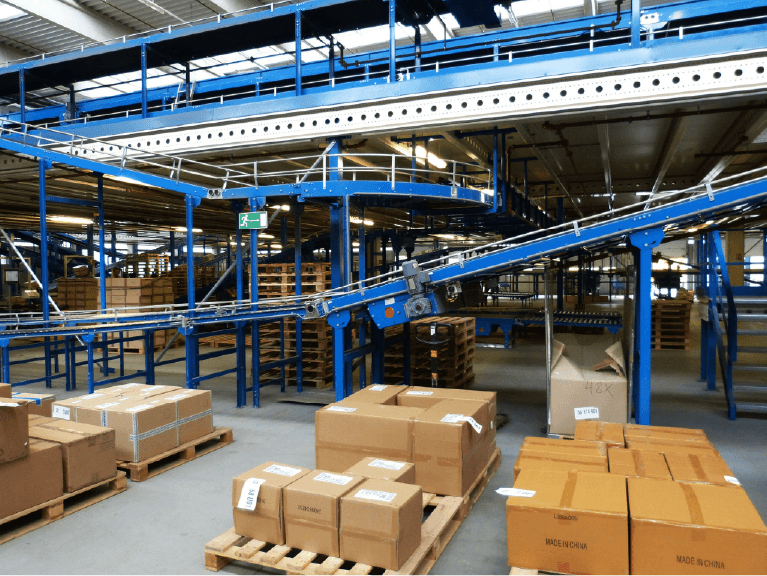
Integrated Packaging Automation for Protein & Milk Powders

Protein and milk powder packaging lines place distinct demands on downstream systems. Powder residue, package variation, and floor space constraints can all influence system design and automation decisions.

Integrated Packaging Automation for Protein & Milk Powders

Protein and milk powder packaging lines place distinct demands on downstream systems. Powder residue, package variation, and floor space constraints can all influence system design and automation decisions.

Overcoming Whey Protein & Milk Powder Packaging Line Challenges

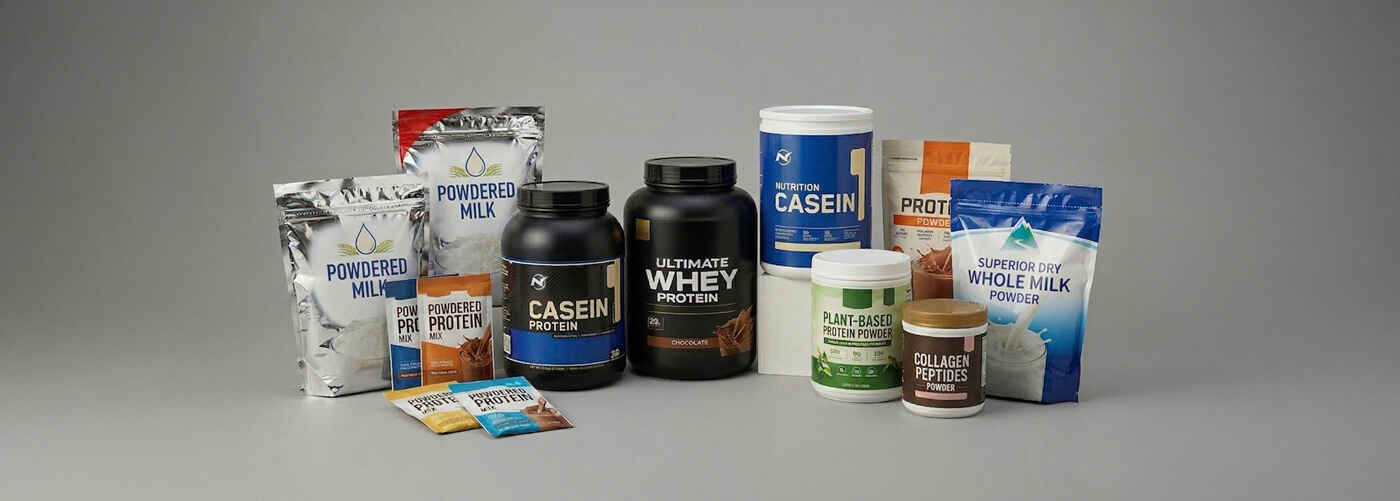
Protein and milk powder packaging lines bring a specific set of downstream constraints. Powder residue can affect the operating environment in ways that can influence system design. Equipment requirements also vary significantly by package format, from super sacks and 40-55-pound bags to smaller retail bags or rigid containers. In many cases, floor space and project budget also influence the level of automation the line can support. IPM designs packaging systems around those conditions through coordinated layout, equipment integration, and controls.

CHALLENGE
THE IPM SOLUTION

Powder-Heavy Environments

Excessive powder residue can affect the operating environment around controls, panels, and other system components.

Environment-Matched Design

Sealed control panels and conduit-based cable routing help align the line with powder-heavy operating conditions.

Package-Driven Equipment Requirements

Equipment requirements vary significantly by package format. Super sacks, 40-55 pound bags, smaller retail bags, and rigid containers do not place the same demands on the line.

Format-Specific Integration

Conveyance, case packing, palletizing, and controls are aligned to the package format and the application’s handling requirements.

Tight Floor Space

Many protein and milk powder projects operate in limited floor space, affecting layout, machine selection, and the level of automation the line can support.

Space-Conscious Layouts

Layouts are built around available footprint, aligning equipment placement, line flow, and access requirements to support the best-fit system for the space.

Case-Packing Speed Thresholds

Different case-packing systems have practical speed limits. Higher output may require a different case-packing architecture.

Throughput-Matched Case Packing

Case-packing architecture is defined by required output, case style, and available floor space.

Powder-Heavy Environments

Excessive powder residue can affect the operating environment around controls, panels, and other system components. IPM addresses those conditions through sealed control panels and conduit-based cable routing suited to the operating environment.

Package-Driven Equipment Requirements

Equipment requirements vary significantly by package format. Super sacks, 40-55 pound bags, smaller retail bags, and rigid containers do not place the same demands on the line. IPM aligns conveyance, case packing, palletizing, and controls to the package format and the application’s handling requirements.

Tight Floor Space

Many protein and milk powder projects operate in limited floor space, affecting layout, machine selection, and the level of automation the line can support. IPM builds layouts around available footprint, aligning equipment placement, line flow, and access requirements to support the best-fit system for the space.

Case-Packing Speed Thresholds

Top-load case packing has practical speed limits. Higher output may require a different case-packing approach. IPM defines case-packing architecture around required output, case style, and available floor space.

Conveyor Supports

IPM in Action: Block Cheese Line

A cheese producer needed to merge two lines while protecting deformable 40 lb blocks and meeting strict weighing, labeling, and palletizing requirements within a tight footprint. IPM engineered a unified system with gentle handling, accurate manifest tracking, heavy-payload robotic palletizing, and automated labeling

Engineer Performance into Every Line

The System Behind Line Performance

OEM-Neutral Integration

Downstream equipment is selected and coordinated based on system requirements, ensuring each machine center supports stable line performance.

V-Curve System Design

Performance targets are defined first, then validated against how the full downstream system behaves under operating conditions.

Performance Guarantee

Defined scope, disciplined execution, and structured startup testing align delivered performance with agreed requirements.

EQUIPS Training

Customized training builds operator and maintenance competency to support consistent operation and effective troubleshooting.

Tom Wiersma

IPM Business Development Manager

Improve Uptime Across Your Dairy Operations

Partner with IPM to assess your packaging line and identify opportunities to improve performance, predictability, and system stability.

Protein & Milk Powder Packaging Automation FAQs

What is included in a protein powder or milk powder packaging system?

A protein powder or milk powder packaging system can include downstream equipment such as conveyance, case packing, palletizing, and controls integration. These dairy powder packaging systems vary based on package format, production rate, available floor space, and how the finished product moves into bags, rigid containers, or larger bulk formats.

How does package format affect whey protein powder packaging and milk powder packaging line design?

The package format has a major effect on downstream equipment requirements. Super sacks, 40-55 pound bags, smaller retail bags, and rigid containers do not place the same demands on conveyance, case packing, palletizing, or controls. That is why whey protein powder packaging and milk powder packaging line design need to account for the handling requirements of the specific format being run.

What challenges affect powder packaging automation in protein and milk powder lines?

Powder packaging automation is often shaped by powder-heavy operating environments, limited floor space, package format, and required output. Those conditions can influence equipment layout, controls design, case-packing approach, and the level of automation the line can support.

Scroll to Top