

Integrated Packaging Automation for ESL & Shelf-Stable Dairy

ESL and shelf-stable dairy packaging lines introduce unique downstream constraints driven by temperature sensitivity, container geometry, and the requirements imposed by ultra-clean filling processes.

Integrated Packaging Automation for ESL & Shelf-Stable Dairy

ESL and shelf-stable dairy packaging lines introduce unique downstream constraints driven by temperature sensitivity, container geometry, and the requirements imposed by ultra-clean filling processes.

Overcoming ESL & Shelf-Stable Packaging Line Challenges

ESL, or extended shelf life, and shelf-stable dairy packaging lines share many downstream characteristics, but differ in how temperature sensitivity, container handling, and accumulation strategies shape system design. Variability in bottle geometry, carton formats, and cold, wet operating conditions can disrupt downstream flow. Labeling, coding, and accumulation constraints add pressure to case packing and palletizing. IPM designs downstream packaging systems that manage these constraints through coordinated system architecture and controls.

CHALLENGE
THE IPM SOLUTION

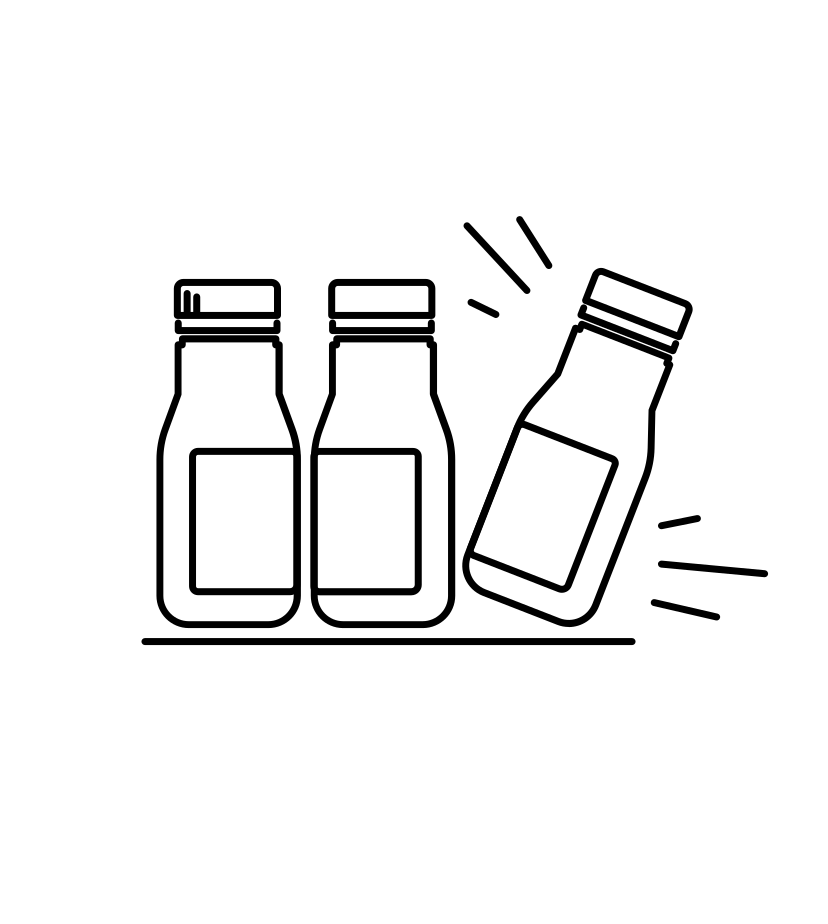
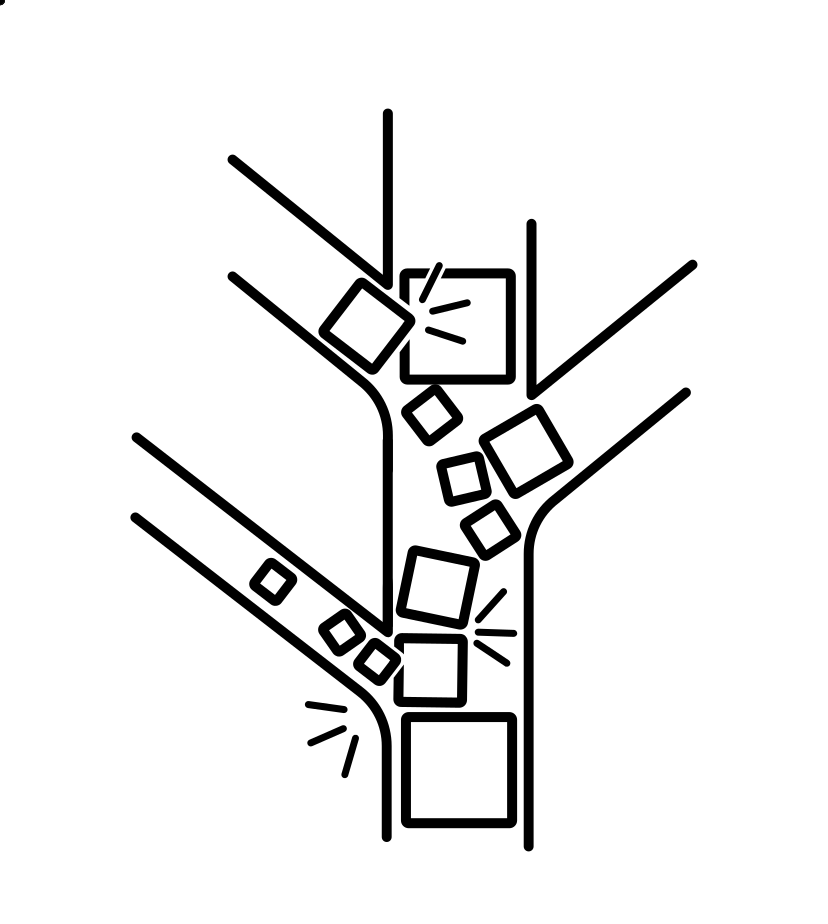
Container Geometry and Stability

Lightweight bottles and varied geometries, including tall, narrow, square, or oval containers, increase the risk of tipping and instability at higher speeds.

Geometry-stable Conveyance

Downstream conveyance and accumulation are engineered to maintain stability across container shapes and support consistent flow under real operating conditions.

High Changeover Frequency Across Sizes

Running multiple bottle or carton sizes on a single line increases changeover time and raises the risk of operator error, impacting efficiency.

Changeover-Managed Line Architecture

Line architecture, controls, and accumulation strategies are configured to limit unnecessary changeovers and support consistent performance across related products.

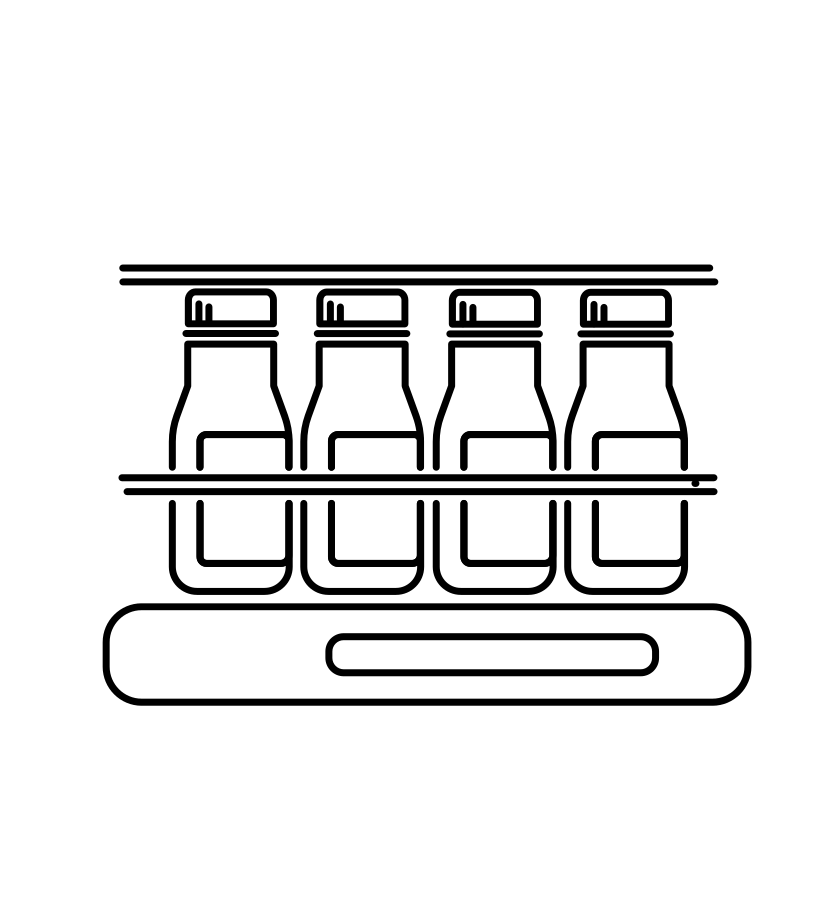
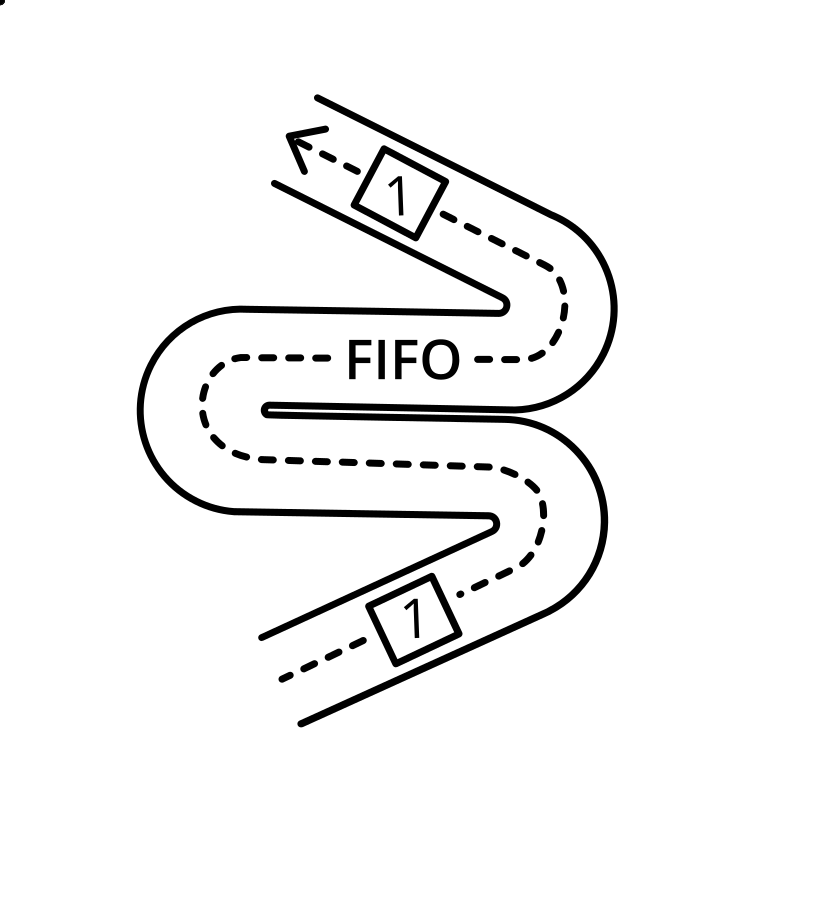
Temperature-Limited Accumulation

ESL products must remain below defined temperature thresholds, limiting accumulation options and requiring first-in, first-out flow.

FIFO-Based Accumulation Strategies

Downstream systems are designed with controlled, FIFO-oriented accumulation that supports continuous flow without compromising temperature constraints.

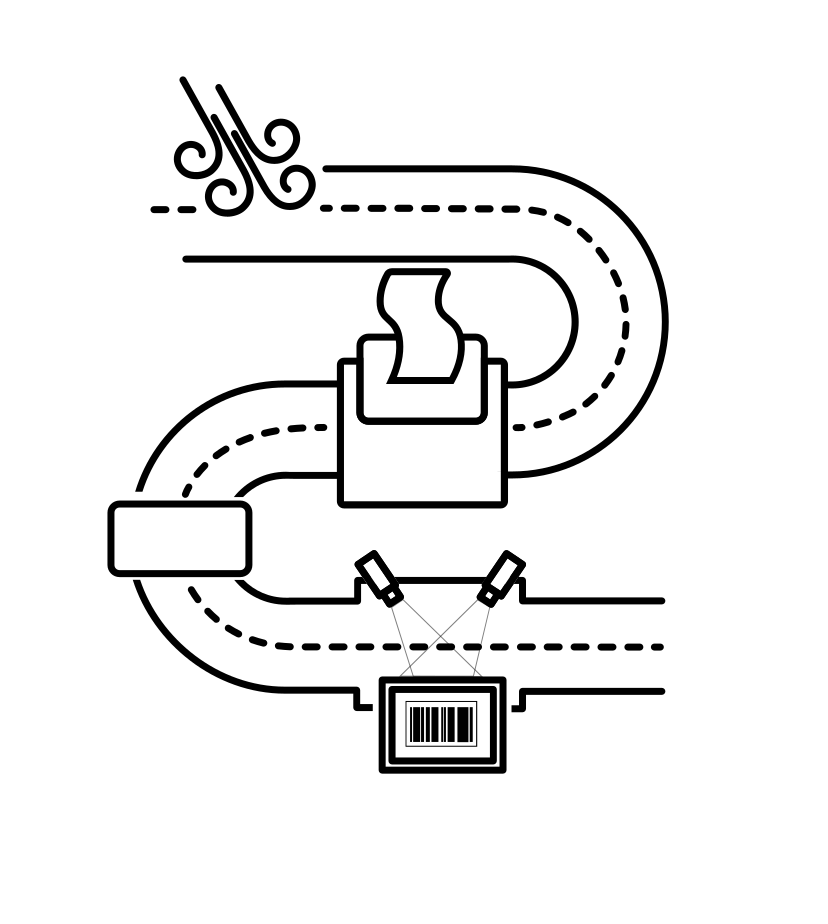
Carton Merging and Back Pressure Sensitivity

Dual-lane cartons exiting fillers are vulnerable to tearing or crushing when merged using conventional slug or break merges.

Continuous Perpetual Merge Systems

Carton handling incorporates continuous merge designs that maintain motion through the merge point, reducing back pressure and protecting package integrity.

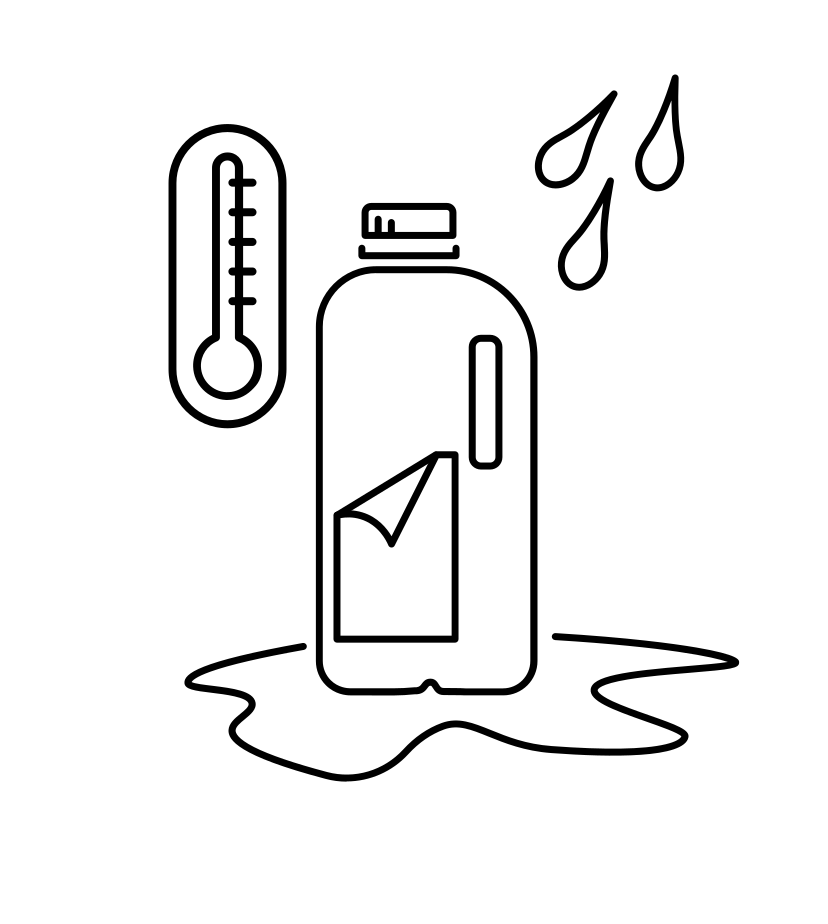
Cold, Wet Labeling Conditions

Cold, wet environments and condensation increase sensitivity in labelers, sleevers, and inkjet date coders, leading to frequent downtime.

Coordinated Downstream Conditions

Dry-off, spacing, and downstream coordination are engineered into the system to support consistent labeling and coding performance in cold, wet environments.

Container Geometry & Stability

Lightweight bottles and varied geometries, including tall, narrow, square, or oval containers, increase the risk of tipping and instability at higher speeds. IPM engineers downstream conveyance and accumulation systems that maintain stability across container shapes and support consistent flow under real operating conditions.

High Changeover Frequency Across Sizes

Running multiple bottle or carton sizes on a single line increases changeover time and raises the risk of operator error, impacting efficiency. IPM applies changeover-managed line architecture, configuring layout, controls, and accumulation strategies to limit unnecessary changeovers and support consistent performance across related products.

Temperature-Limited Accumulation

ESL products must remain below defined temperature thresholds, limiting accumulation options and requiring first-in, first-out flow. IPM designs downstream systems with controlled, FIFO-oriented accumulation strategies that support continuous flow without compromising temperature constraints.

Carton Merging and Back-Pressure Sensitivity

Dual-lane cartons exiting fillers are vulnerable to tearing or crushing when merged using conventional slug or break merges. IPM incorporates continuous perpetual merge systems that maintain motion through the merge point, reducing back pressure and protecting package integrity.

Cold, Wet Labeling Conditions

Cold, wet environments and condensation increase sensitivity in labelers, sleevers, and inkjet date coders, leading to frequent downtime. IPM engineers dry-off, spacing, and downstream coordination into the system to support consistent labeling and coding performance in cold, wet conditions.

IPM in Action: Block Cheese Line

A cheese producer needed to merge two lines while protecting deformable 40 lb blocks and meeting strict weighing, labeling, and palletizing requirements within a tight footprint. IPM engineered a unified system with gentle handling, accurate manifest tracking, heavy-payload robotic palletizing, and automated labeling

Engineer Performance into Every Line

The System Behind Line Performance

OEM-Neutral Integration

Equipment is selected to meet defined system requirements, so each machine center supports line performance without compromise.

V-Curve System Design

Performance requirements are defined first and validated against real-world system behavior before production.

Performance Guarantee

Defined scope, disciplined execution, and structured startup testing ensure system performance aligns with agreed requirements.

EQUIPS Training

Customized, role-based training builds operator competency to sustain line performance and maximize uptime.

Trends Shaping ESL and Shelf-Stable Dairy Packaging

As consumers increasingly prioritize food waste reduction and long-lasting nutritional products, demand for ESL and shelf-stable dairy continues to surge. IPM’s integrated automation solutions address the critical need for sterile, high-throughput environments that protect product integrity over extended lifecycles. Our engineering expertise ensures your lines remain flexible enough for evolving sustainable materials and shelf-stable formats, delivering the reliability needed to reach more markets with confidence.

Tom Wiersma

IPM Business Development Manager

Tom Wiersma

Improve Uptime Across Your Dairy Operations

Partner with IPM to assess your packaging line and identify opportunities to improve
performance, predictability, and system stability.

ESL & Shelf-Stable Dairy Packaging FAQs

What types of ESL and shelf-stable dairy packaging lines does IPM support?

IPM designs downstream packaging systems for ESL and shelf-stable dairy products packaged in bottles or cartons. Systems include conveyance, accumulation, case packing, palletizing, and controls integration after the filler.

What makes ESL packaging different from shelf-stable packaging downstream?

The primary downstream difference is temperature sensitivity. ESL products require controlled, first-in, first-out accumulation to maintain temperature limits, while shelf-stable products allow more flexible accumulation strategies.

Can IPM integrate automation into existing ESL or shelf-stable lines?

Yes. IPM integrates downstream automation into existing ESL and shelf-stable dairy lines, including upgrades to conveyance, accumulation, labeling coordination, case packing, palletizing, and controls to improve overall system performance.

Scroll to Top